
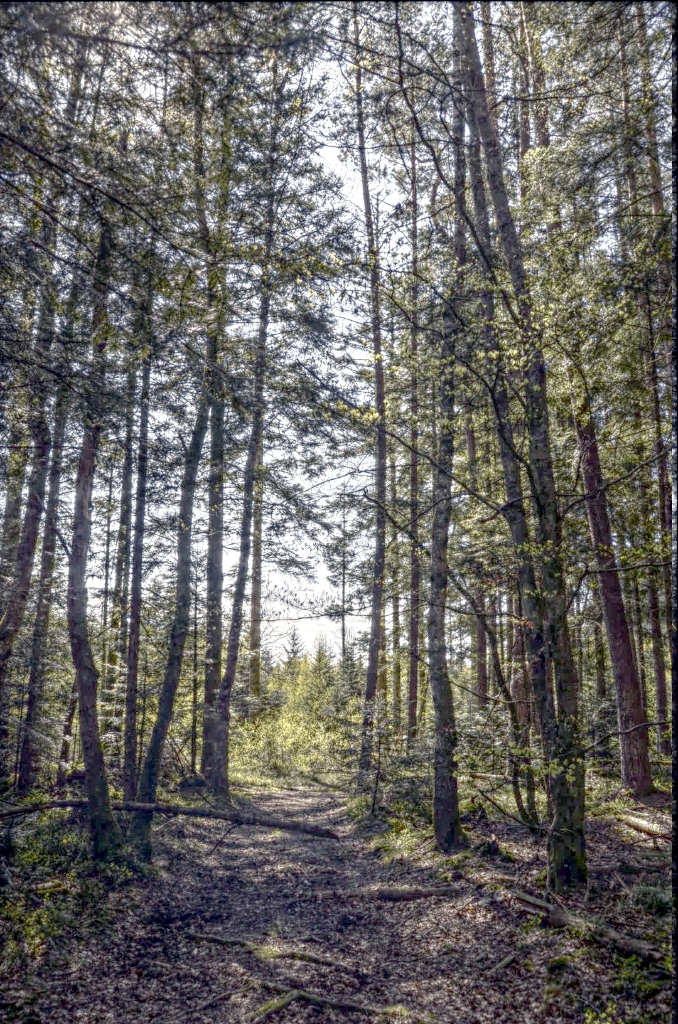
The Sentier des Roches, starting from Col de la Schlucht, is a difficult route in the Hohneck massif. It forms part of the GR531 sector and crosses the Frankenthal-Missheimle National Nature Reserve. This guide retains the three routes published by the Regional Nature Park and clearly separates official data from estimates.
Do not treat it as an ordinary walk: the Park calls for sure footing and warns of vertiginous sections and slippery rocks.
The 3 routes published by the Park
The Regional Nature Park’s dedicated guide publishes the following data:
| Published route | Distance | Ascent | Estimated time |
|---|---|---|---|
| Schlucht – Krapenfels – Les Trois Fours | 6.2 km | +355 m | 2 hrs 30 |
| Schlucht – Frankenthal – Col de Falimont | 8.2 km | +525 m | 3 hrs 30 |
| Schlucht – Frankenthal – Schaeferthal | 10.3 km | +590 m | 5 hrs |
These figures come from the leaflet specifically devoted to the three routes. The Park’s general Col de la Schlucht page currently displays different time and ascent estimates. Treat them as orders of magnitude, not fixed values, and use the latest leaflet together with the waymarks found on site.
Do not invent a fourth loop by joining place names from memory. Select an official route before setting off and leave enough margin to return safely.
Start, waymarking and access from La Bresse
The route starts at Col de la Schlucht, at 1,139 metres. The official page for the pass places the trail entrance at the far end of the terrace of the La Maison crêperie. Follow the signs on site if the layout has changed.
The Nature Reserve states that the GR531 incorporates the Sentier des Roches. Within the protected area, walkers must stay on routes waymarked by the Club Vosgien. The Tétras 1139 visitor point can provide route sheets during its opening periods.
Plan your arrival with our Col de la Schlucht guide. In summer, check stops and times in the 2026 Navette des Crêtes guide instead of assuming that a service or final return has been confirmed.
A trail created in 1910 among glacial landforms
The Park attributes the creation of the Sentier des Roches to the Club Vosgien in 1910. The route now crosses the Frankenthal-Missheimle National Nature Reserve on the Alsatian side of the Hohneck massif.
The Nature Reserve’s official presentation describes an alpine landscape of glacial cirques, rocky escarpments, cliffs, forests, high meadows, grassland and peatland. Those verified features explain the terrain; this guide does not claim a specific rock type without an institutional geological source.
To understand nearby ridge routes without confusing them with the Sentier des Roches, see our Hohneck hiking guide and Route des Crêtes guide.
Difficulty: who is the Sentier des Roches for?
The Park describes the route as difficult and demanding. It requires sure footing and includes vertiginous sections. Its difficulty therefore cannot be reduced to the distance or ascent in the table.
The official sources consulted do not give a minimum age. A threshold such as “14 or 15” would be arbitrary: for a child as for an adult, assess confidence on exposed terrain, secure footing, hiking experience and the day’s conditions. If the first difficulties concern anyone in the group, the Park recommends turning back.
An open trail is not a promise of easy passage. Weather, wet rock and the route’s condition at a particular time can change the situation.
Equipment and weather: verified guidance
The official page for the pass says not to set out without walking shoes and appropriate clothing, and warns walkers to take care around thunderstorms. The Nature Reserve manager discourages visits in wind, heavy precipitation or fog and asks visitors to check practicability before departure.
Before committing to the trail:
- check mountain weather and local information for the day;
- use walking shoes suited to slippery rocks;
- wear clothing appropriate for the forecast conditions;
- start early, as the Park recommends;
- keep the group on Club Vosgien waymarks;
- turn back if conditions or the first difficulties exceed your ability.
The sources do not make high-ankle boots, a particular sole brand or a set volume of water mandatory. Those former thresholds have therefore been removed in favour of the guidance actually published.
Closure, dogs and Nature Reserve rules
The Sentier des Roches is closed every year from 1 November through 30 April. The Nature Reserve explains that the area is highly exposed to avalanches and rockfall in winter, while the safety equipment is removed. This closure must be observed.
From 1 May through 31 October, still check that the route is practicable before setting off: the seasonal opening does not validate the day’s conditions.
Within the Nature Reserve:
- dogs are strictly prohibited on the Sentier des Roches, even on a lead;
- visitors must stay on paths waymarked by the Club Vosgien;
- bivouacking, tent camping and overnight stays in vehicles are prohibited.
These rules protect both visitors and a sensitive natural area. To spread your plans over several days around the pass, compare chalets in La Bresse and check the actual access for each outing separately.
The La Bresse guide, summer edition
Trails, lakes, blueberries and farm inns, in one free PDF.
Your details are used only to process this request. Privacy policy (in French).
Free PDF, no newsletter sign-up.
Frequently asked questions
How difficult is the Sentier des Roches?
The Park describes it as a difficult and demanding trail. It requires sure footing and proper walking shoes, with vertiginous sections and slippery rocks.
What are the three official Sentier des Roches routes?
The Park's dedicated guide lists Schlucht–Krapenfels–Trois Fours (6.2 km, +355 m, 2 hrs 30), Schlucht–Frankenthal–Col de Falimont (8.2 km, +525 m, 3 hrs 30) and Schlucht–Frankenthal–Schaeferthal (10.3 km, +590 m, 5 hrs). Times are estimates.
When is the Sentier des Roches closed?
It is closed to the public every year from 1 November through 30 April. In winter the area is exposed to avalanches and rockfall, and the safety equipment is removed.
Is the Sentier des Roches suitable for children?
The official guide gives no minimum age. Age alone cannot decide suitability: each participant needs sure footing, proper walking shoes and confidence on vertiginous terrain. If the first difficulties cause concern, turn back.
Are dogs allowed on the Sentier des Roches?
No. The Nature Reserve states that dogs are strictly prohibited on this trail, including when kept on a lead.
What equipment should you take?
The authorities recommend walking shoes, suitable clothing and equipment appropriate for mountain conditions. Check weather and practicability; visits are discouraged in wind, heavy precipitation or fog.