
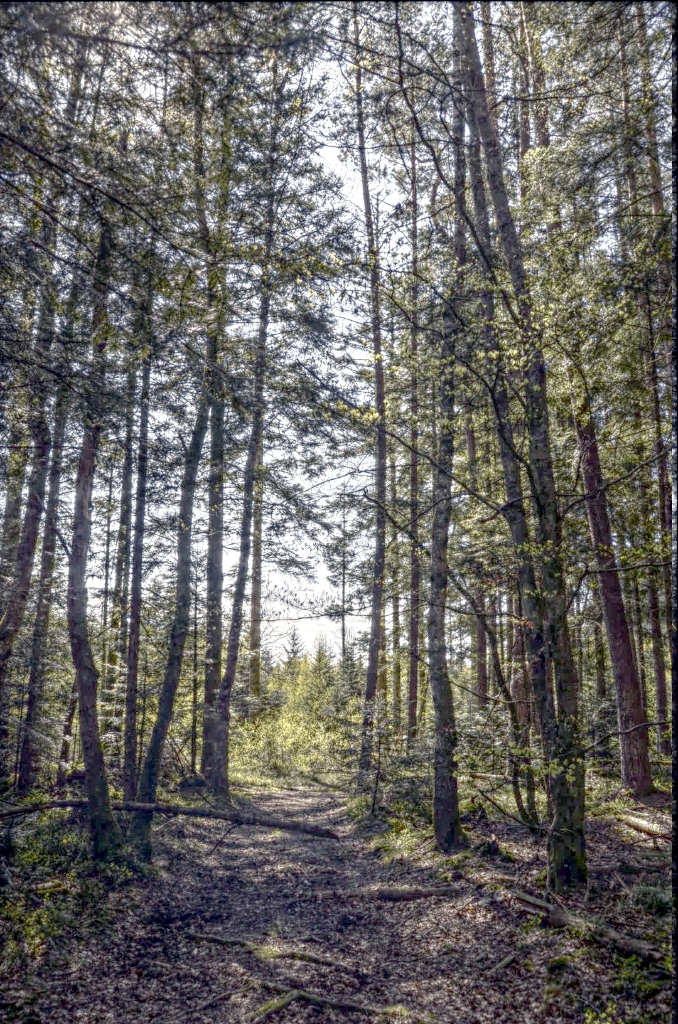
Local update, 30 July 2026. Reports of fires starting in the Vagney and Le Tholy areas in late July prompted the immediate publication of this guide. We do not repeat any unconfirmed cause or incident assessment. The aim is simple: prevent the next fire, save the emergency services time and remind everyone that vigilance is a shared responsibility.
If you see a fire, call 18 or 112
If you see smoke, flames or glowing material threatening vegetation, call 18 or 112 immediately. The 114 emergency service is available to deaf and hard-of-hearing people.
Move far enough away to stay safe before calling. Do not approach to film or try to cross smoke. French government guidance says to locate the fire without putting yourself at risk and to follow instructions from the emergency services or local authority.
Provide short, practical information:
- the municipality and exact place, with your GPS position if available;
- the track, road or car park that gives access to the area;
- what you see, such as smoke, flames, embers, vegetation or a building involved;
- whether people, animals or homes may be threatened;
- your phone number, and remain reachable.
Only hang up when the operator tells you to. A fire that looks small can spread quickly through dry grass, undergrowth or peat.
Fire is prohibited in and around Vosges forests all summer
The prefectural order no. 2026-172 of 19 June 2026 regulates fire throughout the Vosges department. From 15 March to 30 September, it prohibits anyone from using, carrying or lighting fire, smoking or throwing a burning object in woodland and within 200 metres of it.
This includes an improvised campfire, however small and even if surrounded by stones. Built cooking fires in woodland and within 200 metres are also prohibited. Barbecues, stoves, planchas and braziers are permitted only in the situations set out in the order, including within 15 metres of a home or in certain managed areas such as campsites, with suitable extinguishing equipment ready at all times. Stricter local rules may also apply.
At Lac de Lispach, in peatlands, on ridges or beside a forest trail, there is no such thing as a “responsible” campfire. Stones do not make a fire safe, and the Vosges’ apparently damp climate does not remove the risk.
Simple actions that prevent fires
- do not smoke in forests during risk periods and do not discard a cigarette end on the ground or from a vehicle;
- do not light a fire, barbecue, candle or flame stove in a natural area;
- check Météo des forêts before going out, plus restrictions from the prefecture or local authority;
- postpone work that may create sparks near dry grass and keep suitable extinguishing equipment within reach;
- do not burn garden waste; compost, mulch or dispose of it under local rules;
- immediately respect any closure of woodland, a trail or a natural area.
Météo des forêts describes danger, not the presence of a fire. A low level does not permit prohibited behaviour and does not replace local orders.
If you find traces of a campfire
A black mark, a ring of stones or burnt wood is not harmless, especially in peatland such as Lispach where a fire may smoulder in organic material.
If there is smoke, a strong localised smell, heat or glowing material, do not handle the remains. Keep other visitors away, move to safety and call 18 or 112. Give a GPS point or the most precise landmark possible.
If the remains are clearly old and cold, take a photograph without disturbing the site, record the location and report it to the town hall or natural-area manager. Reports help identify places where prevention, patrols or signs need strengthening.
Everyone vigilant, without taking risks
Vigilance does not mean acting as a firefighter or confronting someone. If you see an active fire in a natural area, keep your distance and call the emergency services. If someone is about to light a fire and you can speak safely, calmly explain the restriction. If the behaviour is dangerous or continues, move away and report the situation.
Before any outing around La Bresse, Vagney, Le Tholy or Gérardmer, including on the Route des Crêtes, remember three things: check the day’s danger, take no flame and know how to share your exact location quickly. Protecting the Vosges forest is everyone’s responsibility.
The 2026 La Bresse guide, ready to download
Access, activities, hikes and useful addresses in one free PDF.
Your details are used only to process this request. Privacy policy (in French).
Free PDF, no newsletter sign-up.
Frequently asked questions
Who should you call if you see a fire starting in the Vosges?
Call 18 or 112 immediately without putting yourself at risk. The 114 emergency service is accessible to deaf and hard-of-hearing people. Give the most precise location possible, the nearest access point and what you can see.
Can you light a campfire in a Vosges forest in summer?
No. From 15 March to 30 September, the prefectural order prohibits anyone from using, carrying or lighting fire, smoking or throwing a burning object in woodland and within 200 metres of it. Built cooking fires are also prohibited there.
What should you do if you find traces of a campfire?
If there is smoke, heat or glowing material, move away and call 18 or 112. If the remains are clearly old and cold, photograph the place, record its position and report it to the town hall or site manager. Do not relight anything or put yourself in danger.
Does Météo des forêts show active fires?
No. It shows the level of fire danger for the next two days, not active fires. Also check information from the prefecture, local authorities and emergency services, and respect any local closure.