
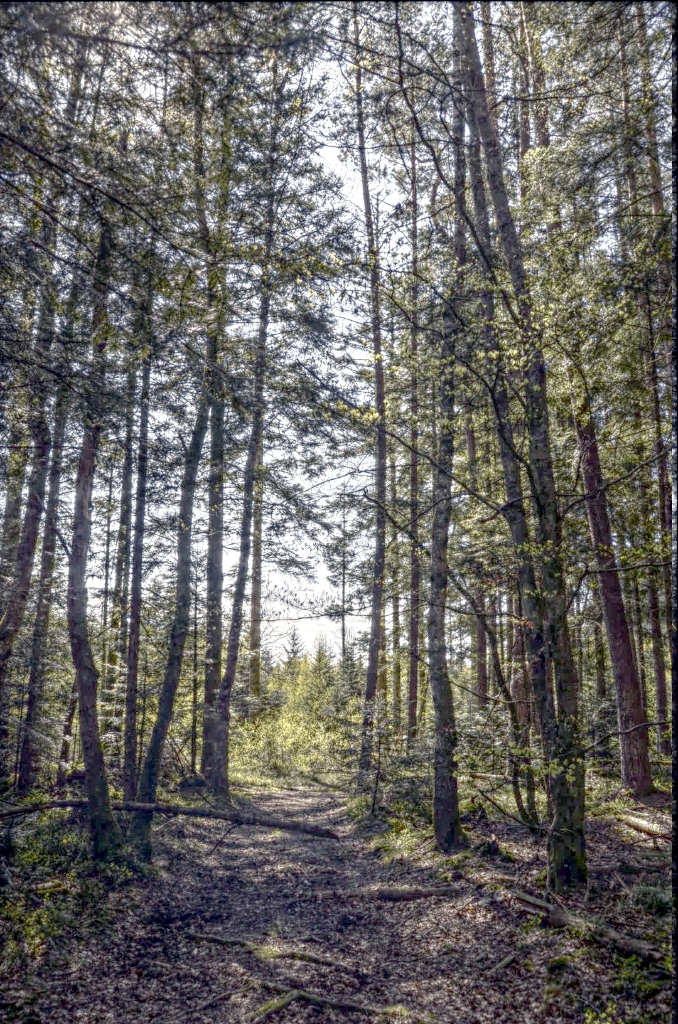
The deer rut in the Vosges takes place every year from mid-September to mid-October, peaking in the last week of September. For about a month, the state forests around La Bresse and Gérardmer echo with the deep, rolling call of rutting stags. It is one of the most striking natural events of the Vosges autumn: discreet, but accessible if you know where to go and how to behave.
Why the stag roars
The rut call is the acoustic signal of the autumn breeding season. The red deer stag uses this powerful, guttural roar for two simultaneous purposes: to attract hinds and to warn off (or challenge) rival males. At the peak of the season, a dominant stag calls repeatedly and with sustained intensity, sometimes several times per minute. The sound carries far through the forest, especially at dawn and dusk when the air is cool and still.
This is not an organised show: it is natural behaviour that requires patience and silence to find.
Listening areas near La Bresse
The Gérardmer state forest (around 4,700 ha according to the ONF) is the reference zone for the Hautes-Vosges. It can be reached from La Bresse, Cornimont, Ventron, Vagney and Liézey via a network of marked trails. Several clearings and forest edges at altitude provide good acoustic conditions at dusk.
The peak date shifts from year to year. Check with the local tourist office or a nature guide at the start of the season for current conditions.
Best times and conditions
- Dusk (from sunset onwards): the best window
- Dawn (at sunrise): second peak, fewer visitors
- Daytime: stags rarely call, daytime outings are not worthwhile for listening
Favourable conditions: clear sky, cool temperatures (below 10-12°C), no wind. Rain and wind mask the sound and disturb the animals.
Behaviour rules (ONF guidelines)
The Office National des Forêts sets clear rules, not to make your life difficult, but because a disturbed stag immediately stops calling and leaves the area.
What not to do:
- Bring a dog, even on a lead
- Use a torch or camera flash
- Wear light-coloured or noisy fabrics (such as rustling Gore-Tex)
- Wear perfume or strong-scented products (deer detect human scent from a great distance)
- Try to approach, block the path of, or make noise near a stag
What to do:
- Stay on authorised trails
- Position yourself at the forest edge, in silence, with the wind in your face
- Wear dark, silent clothing and waterproof boots
- Wait, motionless, for the stag to call
A rutting stag can be aggressive if approached or if someone steps between him and his hinds. Distance and discretion are the two golden rules.
Recommended equipment
- Warm, dark clothing (forest temperatures drop quickly after sunset in October)
- Silent, waterproof footwear
- Binoculars (to make out shapes at the forest edge)
- Infrared monocular or binoculars for evening outings
- No perfume, no visible headlamp
Guided outings: the most reliable option
Local operators in the Hautes-Vosges offer guided rut outings, departing in the late afternoon with a guide who knows which areas are currently active. The ONF recommends joining an outing led by a professional rather than setting off alone, which also makes it easier to respect the rules of quiet.
Nature activity programmes change from one year to the next. Check with the tourist office for the outings on offer and for forest road access conditions before you set off.
Combine with
If you are visiting La Bresse in autumn for the rut, the season lends itself to several other nature-focused outings. Autumn colours in the Vosges also lend themselves to forest walks during the day. Mushroom picking in the Vosges takes place on exactly the same trails during the same weeks. To plan your full stay, browse our guide to things to do in La Bresse and our page on All Saints holidays in La Bresse.
Our chalets in La Bresse are available in October and make an ideal base for dusk departures: fully equipped kitchen for a thermos, parking on site, close to the forest.
Key takeaways
The deer rut in the Vosges runs from mid-September to mid-October, best heard at dusk, in the Gérardmer state forest. Absolute rules: silence, dark clothing, no dogs, no artificial light, stay on the trails. A guided outing gives you the best chance of a memorable experience without disturbing the animals.
The La Bresse guide, summer edition
Trails, lakes, blueberries and farm inns, in one free PDF.
Your details are used only to process this request. Privacy policy (in French).
Free PDF, no newsletter sign-up.
Frequently asked questions
When does the deer rut happen in the Vosges?
The season runs from mid-September to mid-October, peaking in the last week of September and early October. The exact timing shifts each year depending on temperatures and weather.
Where can you hear the deer rut near La Bresse?
The Gérardmer state forest (around 4,700 ha according to the ONF) is the main area, reachable from La Bresse, Cornimont, Ventron and Vagney. Local tourist offices indicate at the start of the season which sectors are active.
What time should you go out to hear the rut?
At dusk (sunset) and at dawn. Red deer rarely call in broad daylight. Guided outings typically depart in the late afternoon, before nightfall.
Can a stag be dangerous during the rut?
Yes. A rutting stag can become aggressive. Keep a safe distance and avoid trying to approach, block its path or get between the stag and his hinds.
Do you need a guide to hear the deer rut?
Not on marked trails, but local operators run guided outings. The ONF recommends joining an outing led by a professional rather than setting off alone.
Can you bring a dog to a rut outing?
No. The ONF strongly advises against bringing dogs, even on a lead. Their smell and presence disturb the deer and ruin the experience for the whole group.