
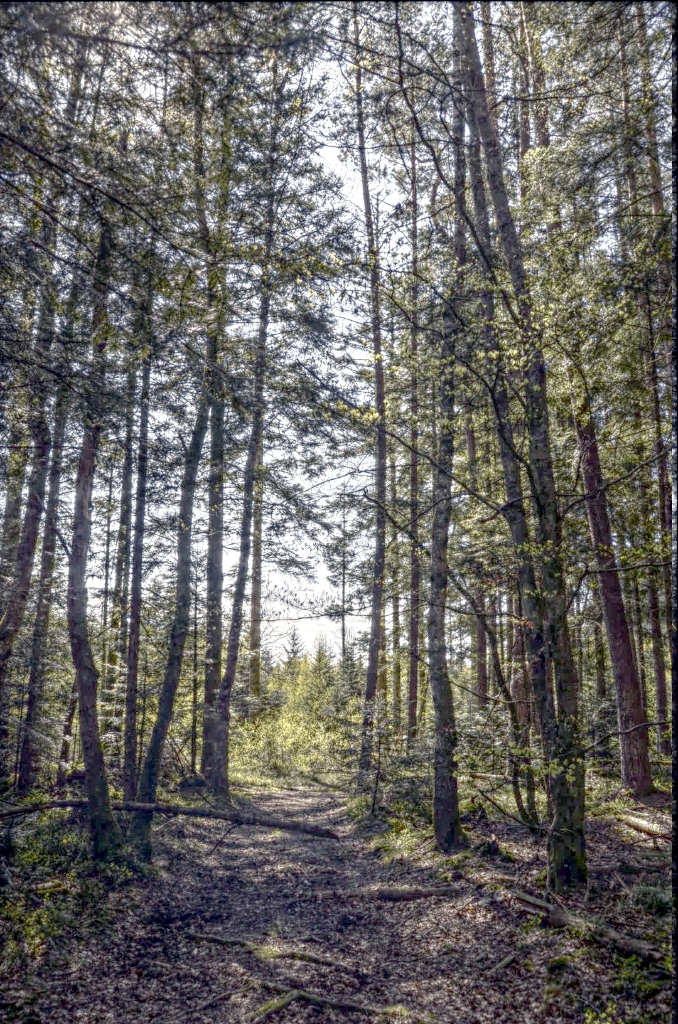
Autumn in the Vosges is a short and variable window. There is no need to leave it all to chance: some spots are reliable, timing can be read by altitude, and three routes allow you to maximise the spectacle.
Want to enjoy it over several days? Also read La Bresse in autumn: golden colours and tranquillity for the general atmosphere and seasonal activities.
Understanding the peak by altitude
The Vosges work in layers:
- Above 900 m (ridges, high pastures): foliage starts turning from the first week of October. The beeches on the slopes are the first to turn russet.
- Between 600 and 900 m (the village of La Bresse falls within this band): the peak is generally around mid-October, with a window of 10 to 15 days.
- In the valley floors (Gérardmer, Cornimont): foliage often lasts until early November, the spruces keeping their deep green while the beeches and birches complete their cycle.
A mild and sunny September favours a late and intense peak. A strong wind or early frost can strip everything in 48 hours.
The reliable spots
Lac des Corbeaux (north slope)
Lac des Corbeaux is surrounded by steep slopes covered in beech trees. In October these slopes shift from green to copper within a few days. The path circling the lake (1.4 km, very easy) passes under the canopy and offers direct reflections on the water in calm conditions.
Timing: mid-October, early morning for reflections. Access: car park at the lake, about 5 km from the centre of La Bresse via the Vologne valley.
Route des Crêtes: Col de la Schlucht and Hohneck
From the ridges at 1,000-1,360 m, you look down over coloured slopes on both sides: Lorraine to the west, Alsace to the east. At the summit of the Hohneck (1,363 m) the panorama opens to 360°. The high pastures themselves (dry grasses, bilberry bushes) turn russet, contrasting with the forests below.
Timing: early October for the ridges, mid-October for the slopes seen from the viewpoints. Viewpoint: Hohneck car park (D430), orientation table. Accessible by car.
See the full Route des Crêtes guide.
Lispach and Frankenthal peat bogs
The peat bogs offer a different palette: russet, ochre and gold, against a backdrop of sphagnum moss that stays green. The Lispach basin, above La Bresse, is at its best in October: the tourist office waymarks a very easy educational trail there, yellow ring, counted at 1 hr 30.
Timing: throughout October, the colour holds longer than in forest. Access: Lispach lake car park above La Bresse; Frankenthal is reached from the Route des Crêtes.
More information: Vosges peat bogs: unusual walks.
Beech forest between La Bresse and Cornimont
The D486 between La Bresse and Cornimont passes through a dense beech forest. By car or on foot, the undergrowth takes on caramel and golden tones. The sector is crossed by waymarked paths maintained by the Club Vosgien.
Timing: mid-October to late October. Walking start: from the centre of La Bresse, head towards Cornimont.
Lac de Blanchemer
Less visited than Lac des Corbeaux, Blanchemer is framed by wooded slopes and a peat bog. The circular path is 1 km according to the tourist office and combines beech forest and the edges of the peat bog.
Timing: mid-October. Access: via the Vologne valley, about 9 km from the centre of La Bresse, car park at the lake; access road closed in winter.
3 practical routes
Route 1: “The lakes on fire” (family, 1.4 km loop)
Start: Lac des Corbeaux car park. Route: full loop around the lake on a flat path, return to the same car park. What you see: lake reflections, copper beeches on the slopes, ducks and grebes in the autumn light. Ideal for: families with children, all-terrain pushchairs.
Route 2: “The golden ridges” (intermediate)
Start: Col de la Schlucht (D417 car park). Route: ascent to the Hohneck via the GR5 (red rectangle waymarking), out and back. What you see: russet high pastures, plunging views over the coloured slopes on both sides, Frankenthal peat bog below. Key tip: if the Hohneck is in cloud, continue along the ridge to the Kastelberg to stay above the mist.
Route 3: “Route des Crêtes loop” (by car, 2 hours with stops)
Start: La Bresse. Route: up to the Col de la Schlucht via the Vologne valley, then the Route des Crêtes towards the Hohneck, return via La Bresse. Stops: Hohneck viewpoint, Col de la Schlucht orientation table, optionally Lac des Corbeaux at the end of the loop. What you see: a succession of panoramas over the coloured slopes, ridge high pastures, Alsatian villages in the valley below. Check before setting off: the Route des Crêtes closes to traffic from mid-November, and local access restrictions may apply in case of drought. Check the Vosges prefecture website before you go.
Photography tips
- Dawn is the best time: mist in the valley floors, low-angle light on the ridges, calm reflections on the lakes. Lac des Corbeaux and Lac de Blanchemer are the classics.
- After rain: colours are more saturated, the damp undergrowth has a particular depth.
- Lens: a 24-70 mm covers most situations. A telephoto (70-200 mm) allows you to compress the coloured slopes from the ridges.
- Watch the wind: a gust brings down leaves in bulk. A sign that the peak has passed, or an opportunity for a carpet-of-leaves forest shot.
Accommodation to make the most of it
A 3-night stay in La Bresse allows you to cover all three routes and choose mornings based on the weather. A chalet with a wood-burning stove is ideal for cool October evenings.
See available chalets in La Bresse
The La Bresse guide, summer edition
Trails, lakes, blueberries and farm inns, in one free PDF.
Your details are used only to process this request. Privacy policy (in French).
Free PDF, no newsletter sign-up.
Frequently asked questions
When is the peak of autumn colours in the Vosges?
Generally around mid-October at altitude (ridges, slopes above 900 m), and between late October and the first week of November in the valley floors. The peak lasts 10 to 15 days and varies depending on the year and weather.
What are the best spots to see the foliage?
Lac des Corbeaux with its beech-covered slopes, the viewpoints along the Route des Crêtes (Hohneck, Col de la Schlucht), the Lispach peat bog basin, and the forest between La Bresse and Cornimont.
What is the easiest walk to see the autumn colours?
The loop around Lac des Corbeaux (1.4 km, flat, easy) is ideal for families. The path follows the entire lake under a canopy of beeches that turn copper in October.
Are there viewpoints accessible by car?
Yes. The Route des Crêtes opens wide views over the coloured slopes from its viewpoints, including the Col de la Schlucht and the Hohneck car park, both reachable by car. The 360° panorama itself is taken in from the Hohneck summit, a few minutes on foot. The road closes to traffic from mid-November.
Is autumn a good time for landscape photography around La Bresse?
It is one of the best seasons for photography: low-angle morning light on the ridges, mist in the valleys, reflections on the lakes. Lac de Blanchemer and Lac des Corbeaux at dawn are classics.
Is autumn a good time to visit the peat bogs?
Yes, the peat bogs take on golden and russet tones in October. Lispach and Frankenthal are accessible on maintained paths and offer a different palette from the beech forest.