
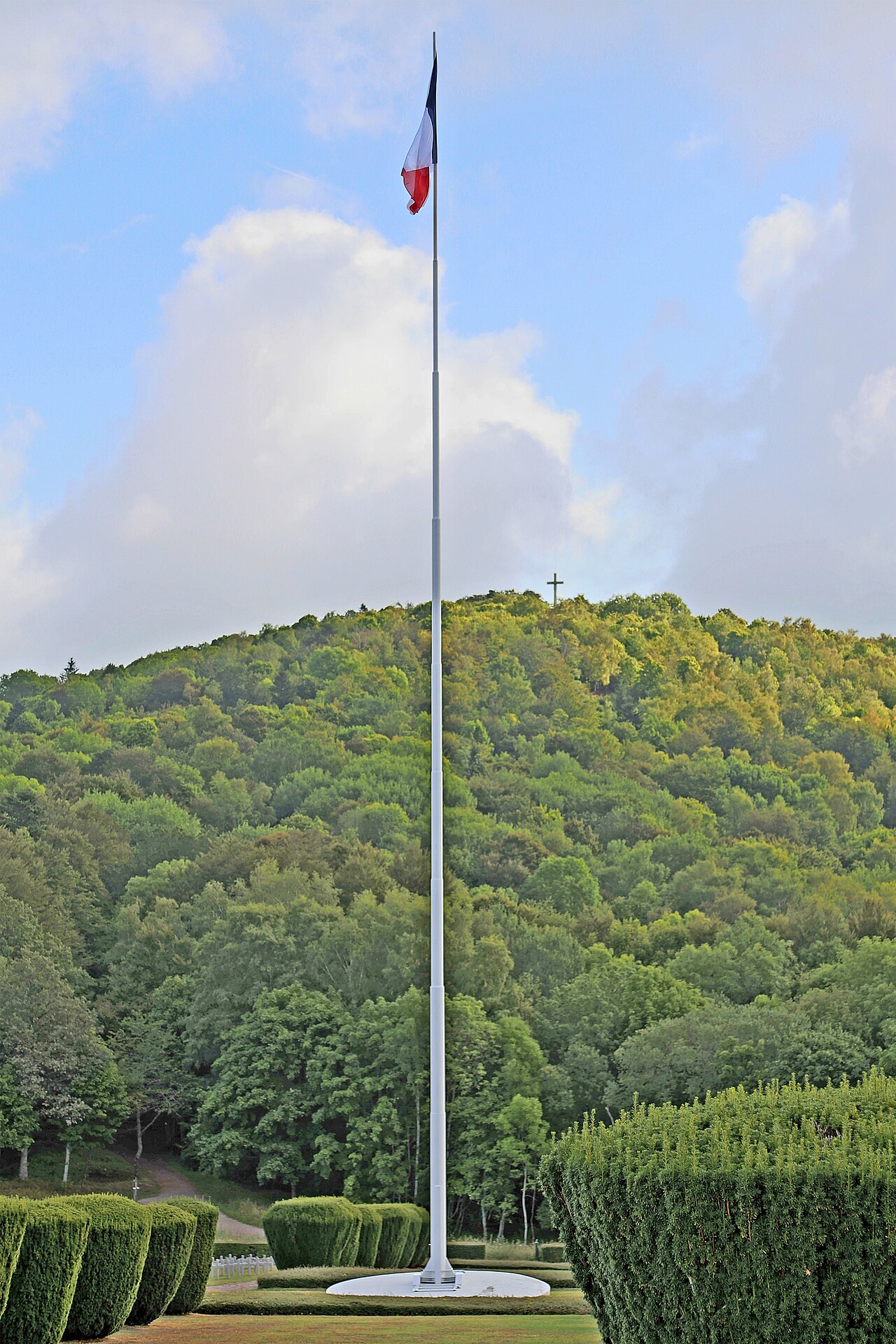
La Bresse: a stone’s throw from Germany
La Bresse is located in the Hautes-Vosges, in Lorraine, less than 150 km from the French-German border. For residents of Baden-Württemberg, Rhineland-Palatinate, or even northern Bavaria, it is a perfectly accessible weekend or short-break destination. And the landscapes are every bit as impressive as the neighbouring Black Forest.
From Freiburg im Breisgau (approximately 1h30 to 2h)
Freiburg is the closest German city to La Bresse. The fastest route crosses the Pont de l’Europe at Breisach, then travels through Alsace via Colmar (A35), before reaching La Bresse via the RN66 through Cernay and Thann.
Another more scenic option: follow the Alsace Wine Route north towards Strasbourg, then head south to Mulhouse and the Vosges. This detour adds 30 to 45 minutes but allows a stop in an Alsatian village along the way.
Approximate distance: 110 to 130 km depending on the route. Duration: 1h30 to 2h.
From Stuttgart (approximately 2h30 to 3h)
From Stuttgart, the most direct route takes the A8 towards Karlsruhe, then the A5 towards Mulhouse, followed by the RN66 to La Bresse.
An attractive alternative: head via Strasbourg on the A35, skirt the city (or take the ring road), then continue to Colmar and the RN66.
Approximate distance: 200 to 220 km. Duration: 2h30 to 3h.
From Karlsruhe (approximately 2h to 2h30)
From Karlsruhe, the A5 towards Mulhouse is the main axis. Allow roughly 170 km. Cross the Rhine at Roppenheim or Kehl/Strasbourg depending on your route, then continue to La Bresse via Alsace.
From Mannheim or Heidelberg (approximately 2h30 to 3h)
Take the A6 towards Kaiserslautern, then the A61 or A35 via Strasbourg. The journey is approximately 220 to 250 km.
Coming by train from Germany
The rail option is possible but requires some planning. The nearest station to La Bresse is Remiremont (28 km away) or Saint-Dié-des-Vosges (35 km). From Germany, you can reach Strasbourg or Mulhouse by TGV or ICE, then take a regional TER train towards Remiremont.
From Remiremont, a taxi or local shuttle can take you to La Bresse. Ask the tourist office about connection options and car hire on arrival.
Practical tips for German visitors
France and Germany are both in the Schengen Area: no border checks. Your German driving licence is valid in France. French speed limits differ slightly from Germany: 50 km/h in built-up areas, 80 km/h outside built-up areas, 110 km/h on dual carriageways, 130 km/h on motorways.
The Waze or Google Maps navigation app is your best ally to avoid roadworks on the A35 (often congested on Friday evenings in summer). A mid-morning departure works well to arrive in La Bresse early afternoon.
French service stations accept all German cards. Fuel is generally slightly cheaper in France than in Germany, but check rates before you go.
Things to see en route
If you pass through Alsace, a stop in Colmar or in a Wine Route village (Kaysersberg, Riquewihr, Ribeauvillé) is highly recommended. These medieval villages are 30-40 minutes from La Bresse and worth an hour or two. Alsatian food (tarte flambée, Munster, Alsace wine) makes an excellent appetiser before exploring the Hautes-Vosges.
The 2026 La Bresse guide, ready to download
Access, activities, hikes and useful addresses in one free PDF.
Your details are used only to process this request. Privacy policy (in French).
Free PDF, no newsletter sign-up.
Frequently asked questions
How long does it take to drive from Freiburg im Breisgau to La Bresse?
From Freiburg, allow approximately 1h30 to 2h depending on your route (via Colmar or via Saint-Dié-des-Vosges). The distance is roughly 100 to 130 km.
Can you get to La Bresse by train from Germany?
Yes, with a change at Strasbourg or Mulhouse, then a bus or taxi from Saint-Dié-des-Vosges or Remiremont. The journey is longer but doable without a car.
Are there any motorway tolls on the route between Germany and La Bresse?
No, the French roads used (RN66, D486) are toll-free. Only the A36 motorway (Mulhouse towards Besançon) has tolls if you choose to use it.
Do I need to change currency when coming from Germany to La Bresse?
No, both France and Germany use the euro. No currency exchange needed. German bank cards (Girocard, Visa, Mastercard) are accepted everywhere in La Bresse.
Is La Bresse popular with German tourists?
Yes, La Bresse and the Hautes-Vosges attract many German visitors, particularly from Baden-Württemberg and Rhineland-Palatinate, who enjoy the proximity, the nature, and the Alsatian-Vosges cuisine.